






跳到主要内容

/ 运营与自动化 /

全面了解您的运营情况。即时的。在一个地方。

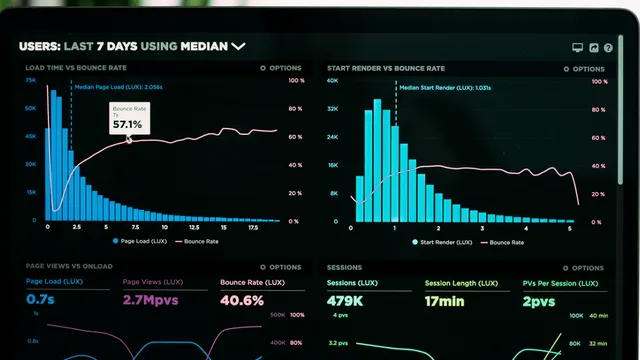
统一的情报层可以监控、检测异常情况,并在小问题演变成运营故障之前向正确的人员提供正确的信息。

The problem

When data in ten dashboards, insight in none becomes the norm

  • Data in ten dashboards, insight in none

    Operations data exists but is scattered. Getting a clear picture requires pulling from multiple systems manually.

  • Problems found after the fact

    Teams discover operational failures when customers complain or SLAs are already missed — not before.

  • No shared operational language

    Different teams use different metrics, different definitions and different tools. Alignment takes meetings, not data.

运作方式

One operational picture—alerts that mean something

步骤 1

Integrate telemetry

OT, IT, and business KPIs stream into a normalized event model across plants and regions.

步骤 2

Detect patterns

Anomalies, cascading failures, and SLA breaches are correlated with likely root causes and impacted orders.

步骤 3

Coordinate response

War-room briefs, tasks, and customer communications are drafted for commanders to approve fast.

Thresholds and escalation trees mirror your existing operations manual.

全面了解您的运营情况。即时的。在一个地方。

包含内容

What you get when you run this with Thinkia

A governed layer across data, workflows, and handoffs—so teams ship safely and scale with metrics.

Unified data ingestion

connects to existing operational systems (TMS, WMS, ERP, CRM) without replacing them

Anomaly detection

AI monitors operational patterns and flags deviations before they escalate

Real-time alerting

configurable alert rules by severity, team and channel (email, Slack, dashboard)

Root cause analysis

when something goes wrong, surfaces the most likely cause with supporting data

KPI command view

single view of operational health across teams, regions or business units

Predictive signals

early indicators of demand spikes, resource constraints or service degradation

技术提供 Thinkia Synapse

成果

What changes when this runs in production

–70%

Earlier detection of operational anomalies vs. manual monitoring

–50%

Time saved on manual operational reporting per week

1 source

Single operational view replacing 4+ disconnected dashboards

Results vary by systems landscape, data quality and operational complexity.

合作方式

From blind spots to one pane for exceptions, capacity, and risk

Signal design

Week 1–2

KPIs, alerts, and drill-downs are agreed with ops leaders; data latency targets are explicit.

Integrate sources

Week 3–5

ERP, MES, WMS, and tickets feed a governed model; ownership per metric is documented.

War-room pilot

Week 6–9

Daily or weekly rhythms use the tower; decisions and actions are logged for feedback.

Network scale

Week 10+

Plants, regions, or partners join with federated views; playbooks close recurring exceptions.

Plant heterogeneity and OT security constrain integrations; waves follow value and feasibility.

开始

Ready to scope this for your context?

We start with a focused session—no commitment—to map constraints and a sensible path.